November 22, 2026
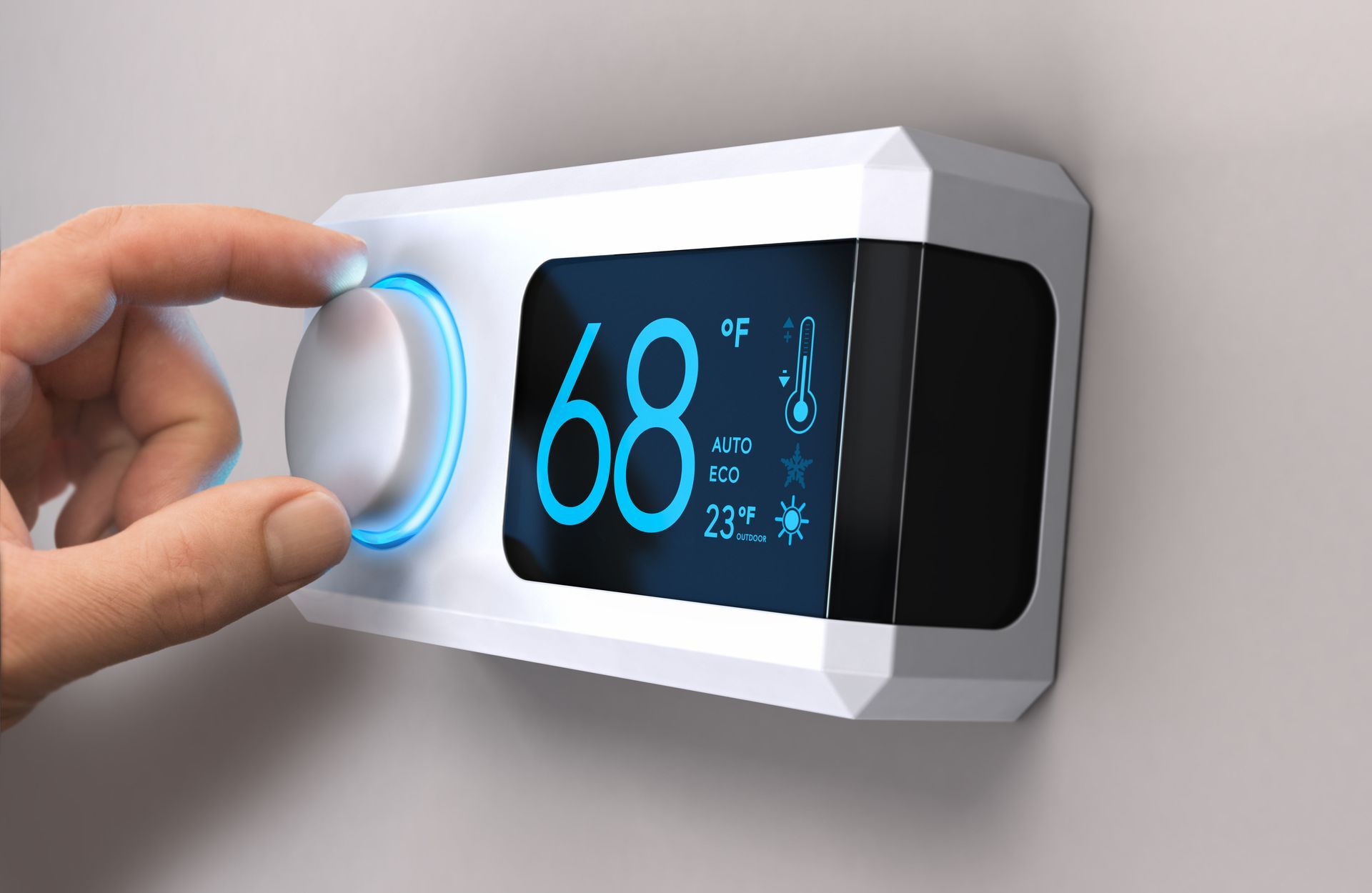
Experiencing a chilly home during freezing winter weather can feel incredibly frustrating when your thermostat fails to deliver your desired warmth. While the system appears active, indoor temperatures often stagnate several degrees below your target setting, leaving living spaces uncomfortably drafty. Severe outdoor cold forces mechanical heating equipment to operate under peak workloads, exposing underlying inefficiencies that remain hidden during milder seasons. Homeowners frequently encounter restricted airflow, sensor misreadings, or ductwork leaks that limit heating output. Identifying these common operational roadblocks with heating repair services helps you restore comfort, optimize energy use, and decide whether your system needs professional heating repair.
Assessing the Limits of Equipment Capacity in Severe Freezing
Subzero atmospheric conditions place extraordinary thermal demands upon residential equipment, occasionally pushing smaller heating units beyond their operational capabilities. Heating appliances are engineered according to specific thermal parameters, meaning an undersized setup cannot generate sufficient warmth during sustained cold snaps. According to Bryant, to determine the right furnace size for your home, you should multiply your home's square footage by 30–60 BTUs. When your unit falls below these mathematical benchmarks, it runs continuously without ever reaching your targeted indoor comfort level. Consulting a certified technician helps identify whether improper appliance capacity requires comprehensive heating repair or eventual equipment replacement.
Inspecting Air Filters for Dust Accumulation and Blockages
Severely clogged intake filters frequently cause heating cycles to terminate prematurely, leaving homes cold despite continuous thermostat demands. Over time, circulating household dust, pet hair, and airborne fibers coat filtration media, dramatically restricting the volume of air returning to the furnace. This choked airflow causes internal heat exchangers to overheat quickly, prompting emergency high-limit safety switches to shut off burners before warming rooms. Changing disposable filters every thirty days protects delicate equipment components and promotes continuous thermal circulation throughout the structure. Maintaining clear passages ensures uninterrupted airflow, preventing unexpected system shutdowns during extreme outdoor freezes.
Calibrating Temperature Sensors for Accurate Environmental Readings
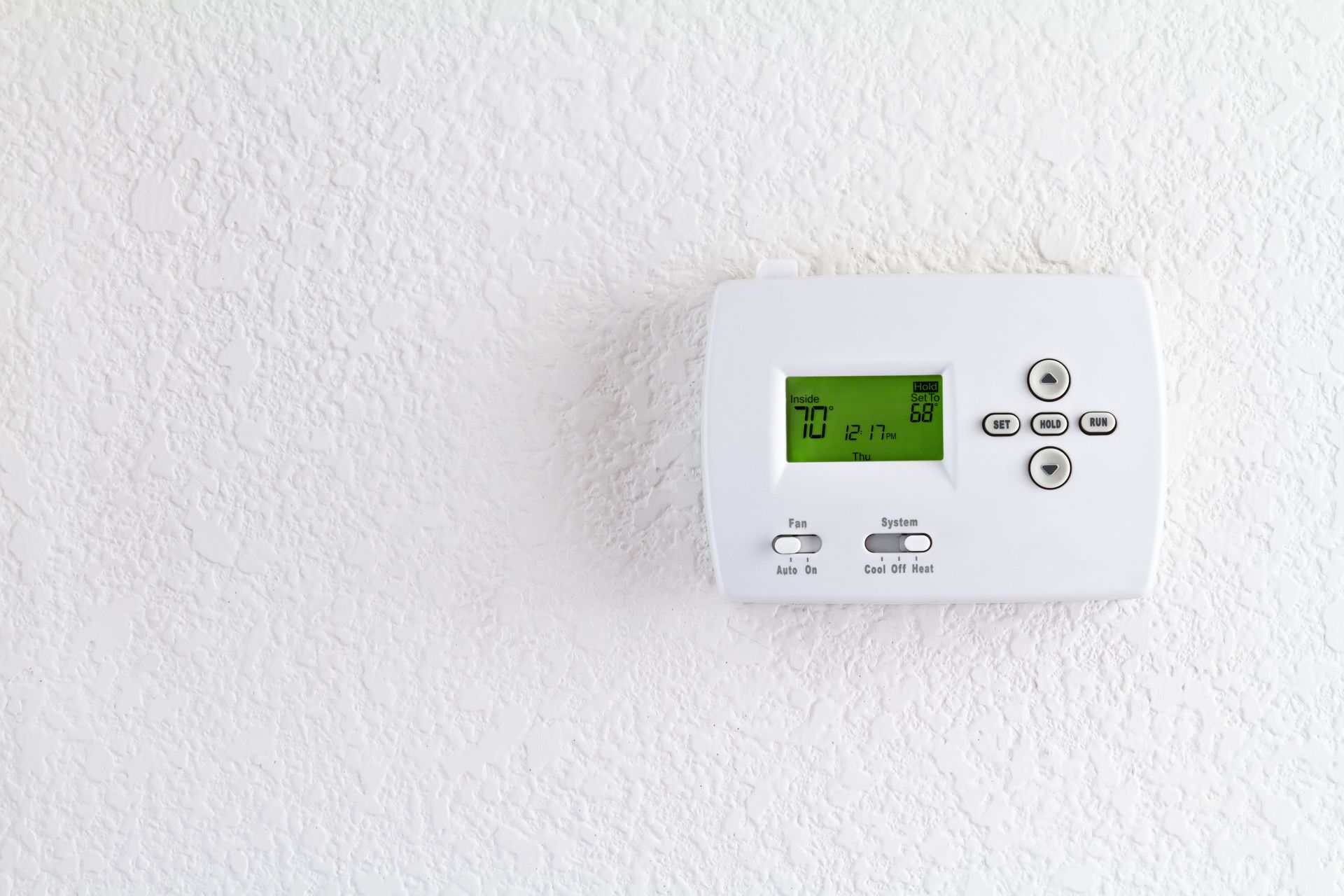
Thermostats rely upon sensitive internal thermistors to measure ambient air, yet uncalibrated sensors frequently miscalculate actual room conditions. Internal dirt accumulation, loose electrical wiring, or aging electronic components can skew temperature readings by several degrees, causing systems to deactivate prematurely. Furthermore, housing units mounted near drafty entryways, cold exterior framing, or uninsulated walls detect misleading signals that do not reflect living spaces. Removing the front faceplate to gently clear away internal debris often restores accurate sensor responses. If calibration adjustments fail to correct inaccurate temperature readings, replacing the wall unit restores reliable temperature control.
Evaluating Heat Loss Through Inadequate Attic and Wall Insulation
Heated indoor air naturally flows toward cold exterior boundaries, escaping rapidly whenever structural insulation barriers degrade or thin out. Without sufficient insulating materials inside exterior walls and attic crawlspaces, furnace heat dissipates outdoors much faster than mechanical blowers can replenish it. This continuous structural heat loss creates stubborn cold zones, forcing heating equipment to run incessantly without satisfying thermostat targets. Inspecting attic insulation levels and applying reflective barriers helps retain warmth inside conditioned living areas throughout freezing conditions. Upgrading thermal building envelopes prevents costly heat leakage, taking massive strain off hardworking mechanical equipment during deep winter.
Sealing Leaky Air Ducts to Prevent Thermal Dissipation
Concealed duct runs traveling through unconditioned attics, basements, or crawlspaces often develop significant mechanical gaps, loose seams, and structural punctures. When heated air escapes through cracked sheet metal, substantial thermal energy vanishes into uninhabited spaces instead of reaching bedroom registers. Furthermore, compromised return ducts pull freezing air from unheated basements directly into the furnace, drastically reducing supply output temperatures. Sealing disconnected duct joints with professional mastic sealant or heavy metal tape keeps warmed air directed toward occupied living zones. Repairing duct flaws restores delivered air volume, ensuring living areas achieve desired thermostat temperatures efficiently.
Addressing Faulty Blower Motor Performance and Airflow Deficits
A malfunctioning blower motor struggles to push sufficient volumes of conditioned air across vast residential supply duct networks. Worn motor bearings, frayed drive belts, or compromised run capacitors noticeably reduce fan rotation speeds, severely limiting overall air circulation. Without robust velocity, heated air lingers inside plenum chambers rather than circulating into distant rooms, triggering safety limit switches that interrupt burner operations. Promptly scheduling specialized heating repair resolves mechanical blower motor drag, restoring necessary air velocity throughout the home. Maintaining optimal fan speeds ensures that warm air reaches every room before the furnace cycles off.
Clearing Blocked Exhaust Vents and Exterior Air Intakes
Modern high-efficiency condensing furnaces utilize dedicated PVC intake and exhaust pipes that vent hazardous combustion gases outdoors through exterior walls. Heavy winter blizzards, drifting snowbanks, or hanging icicles can easily obstruct these critical exterior pipes, restricting necessary combustion airflow. Built-in pressure switches immediately detect these vent blockages, automatically shutting down the system to prevent lethal carbon monoxide accumulation. Homeowners must routinely inspect outdoor vent terminations after winter storms, gently removing accumulated ice, snow, or debris. Keeping exterior vent pathways clear enables furnaces to ignite reliably and heat homes without dangerous interruptions.
Troubleshooting Failing Heat Pumps During Subfreezing Weather Conditions
Standard air-source heat pumps encounter severe thermodynamic challenges whenever outside air temperatures plunge significantly below freezing thresholds. Because ambient outdoor heat diminishes drastically in bitter freezes, outdoor condenser coils struggle to extract enough warmth for indoor distribution. These systems must then engage supplemental electric resistance heat strips to bridge the gap, yet faulty heat strips leave spaces cold. If auxiliary elements burn out, the pump circulates lukewarm air, failing to elevate indoor rooms to the thermostat settings. Requesting timely heating repair rectifies failed electric heating strips, restoring dependable backup warmth during extreme cold snaps.
Stopping Window and Door Drafts With Weatherstripping Solutions
Gaps surrounding exterior window frames and entryway doors allow relentless winter drafts to infiltrate interior rooms, undermining furnace output. Frigid outside air currents continuously lower localized ambient temperatures, easily overpowering the warm air delivered through floor registers. Placing a hand near exterior openings reveals noticeable airflow leaks that demand immediate sealing with silicone caulking or weatherstripping tape. Installing durable rubber sweeps underneath drafty exterior doors also stops heavy cold air from sweeping across chilly floors. Blocking unconditioned air infiltration stabilizes indoor environments, enabling thermostats to achieve target settings without continuous equipment strain.
Diagnosing Faulty Flame Sensors and Intermittent Burner Operation
A corroded or soot-covered flame sensor presents a common hidden culprit behind furnaces that shut down prematurely during heating cycles. The delicate sensor rod sits directly inside burner flames, detecting electrical currents to confirm safe ignition before opening gas valves. When carbon buildup insulates the sensor rod, the system fails to verify combustion, shutting down burners within seconds. While internal blowers continue to push cool air through supply vents, no actual heat enters circulating air streams. Enlisting professional heating repair allows technicians to safely polish or replace dirty sensors, restoring reliable gas ignition.
Resolving thermostat shortfalls during severe winter weather requires a methodical approach that targets equipment mechanics and home insulation integrity. Addressing simple issues like dirty air filters, unsealed windows, and obstructed outdoor vents often restores comfortable indoor temperatures quickly. When persistent equipment malfunctions, undersized furnaces, or damaged blower motors cause systemic heating shortfalls, partnering with experienced technicians becomes essential. Professional heating specialists diagnose underlying component failures, recalibrate complex controls, and restore peak operational output safely. Taking deliberate action to optimize your home heating system ensures cozy, dependable warmth that easily withstands the harshest winters.
Are you seeking a reliable heating repair service in Southern Middle TN and Northern AL? Arctic Air Heating, Air Conditioning & Plumbing is here to make sure your home is comfortable in all climates. Contact us today to schedule your next appointment.