November 7, 2026
The first bitter frost is the absolute worst time to discover that your furnace is struggling to keep your living space comfortable. When sub-freezing winds settle over the neighborhood, your heating system transforms from a background appliance into your home’s primary line of defense. Unfortunately, many homeowners treat their furnace as an out-of-sight, out-of-mind utility until the blower stops circulating warm air in the middle of a freezing night.
Running a neglected heating system throughout peak winter not only drives your utility bills skyward, but it also places tremendous mechanical strain on internal components that are already working around the clock. By adopting a proactive winter maintenance routine, you protect your heating equipment from premature wear, safeguard your indoor air quality, and keep your family safe from hazardous exhaust leaks. Tackling small inefficiencies early keeps your living spaces uniformly warm and prevents the sudden need for an emergency heating repair when local technicians are already booked solid.
Replace Air Filters Regularly
Air filters are your heating system's first line of defense against airborne particulates, pet dander, lint, and dust. When a filter becomes congested with debris, the blower motor must pull against severe resistance to circulate air through your ductwork. This restricted airflow causes heat to build up inside the furnace cabinet, tripping high-limit safety switches, forcing short-cycling, and causing significant wear on sensitive electrical contacts.
According to Carrier, you should change your furnace filter every one to three months to maintain proper system performance and indoor air purity. If your home includes shedding pets, family members with respiratory sensitivities, or high occupancy levels, you should inspect the media monthly and replace it closer to the 30-day mark.
When purchasing replacements, verify the exact physical dimensions printed along the filter frame. While it might seem tempting to buy the highest possible Minimum Efficiency Reporting Value (MERV) rating, filters rated higher than MERV 11 can create excessive static pressure in older residential systems unless specifically rated for that airflow capacity. Inspecting your filter every month and swapping it out before dust creates an impenetrable blanket ensures seamless air movement throughout the winter season. Neglecting this simple chore remains the single most common trigger for unexpected system shutdowns that demand professional heating repair.
Clear Surrounding Utility Spaces
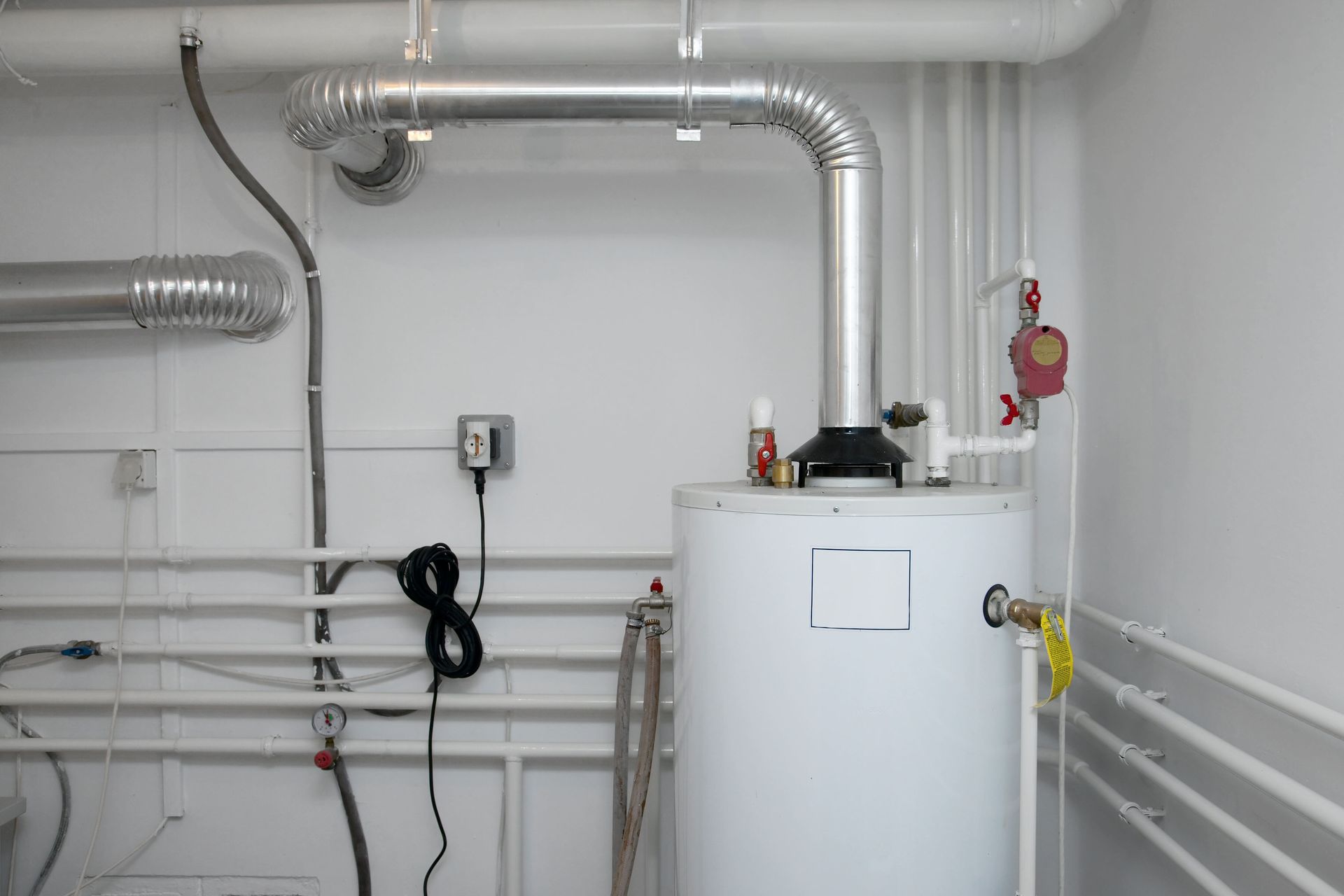
Furnaces, whether installed in a basement, utility closet, or garage, require unobstructed space to operate safely and effectively. Over the warm months, utility rooms often become convenient storage areas for holiday storage totes, lawn equipment, paint cans, cleaning solvents, and cardboard boxes. When winter arrives and the burner ignites, cluttered surroundings turn into serious hazards.
Combustion appliances demand a continuous volume of fresh air to support clean burning. Storing items too close to the burner compartment starves the flame of oxygen, causing incomplete combustion, soot accumulation, and hazardous carbon monoxide production. Flammable materials, aerosol sprays, and chemical vapors present an immediate fire hazard when stored near a pilot light or burner assembly.
Maintain an open clearance perimeter of at least three feet around all sides of your furnace cabinet. Keep the floor swept and free of dust bunnies, pet hair, and dried debris that could get drawn into the combustion chamber. If your home relies on a high-efficiency condensing furnace vented through PVC pipes on an exterior wall, bundle up and inspect those outside terminal points. Ensure that autumn leaves, shrubbery, bird nests, and accumulating snowdrifts never block the intake or exhaust openings. A blocked exhaust pipe will trip safety pressure switches, leading to sudden system lockouts that require specialized heating repair.
Calibrate Household Thermostat Settings
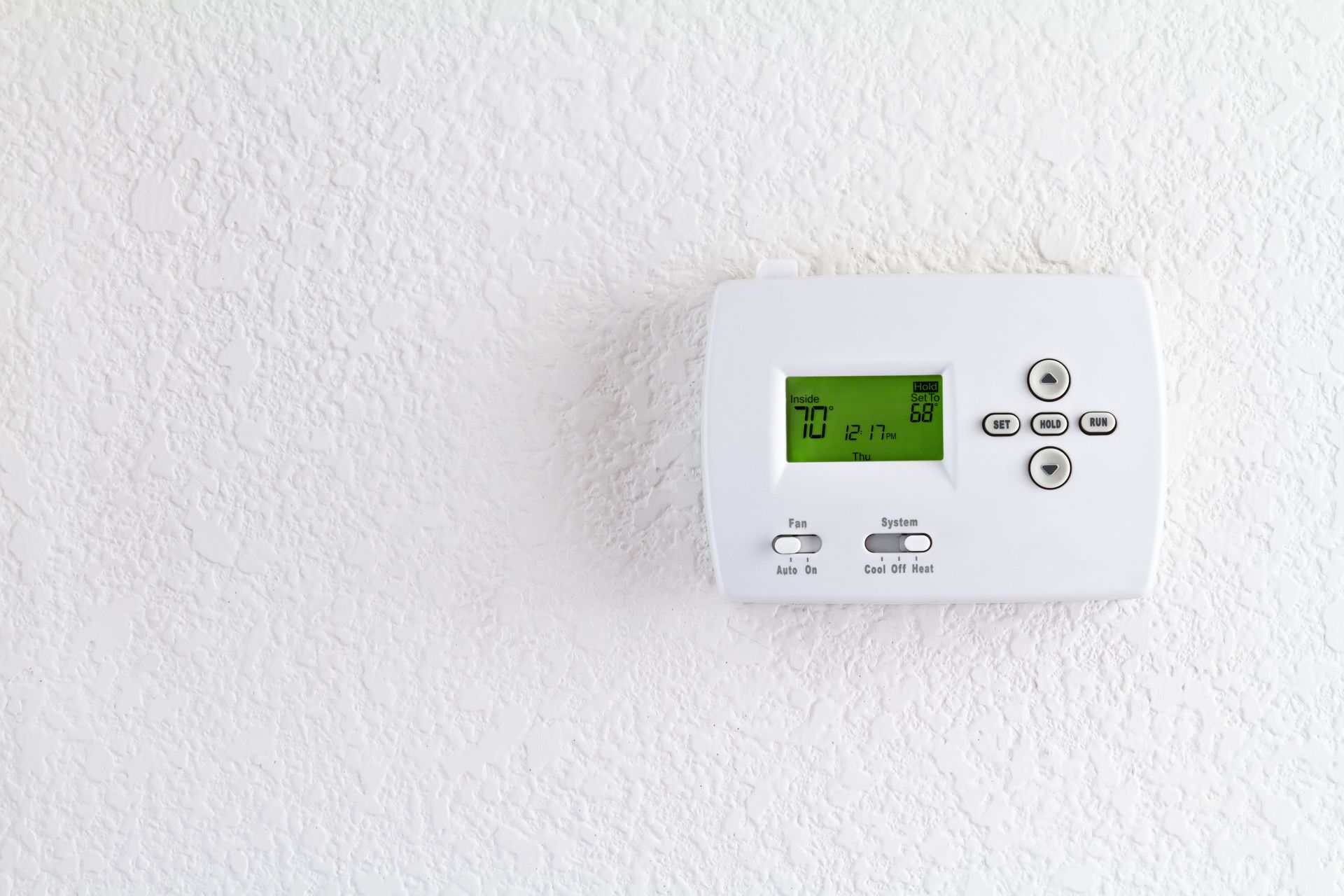
Your thermostat acts as the central command center for your entire heating layout. If this device fails to measure temperature accurately or loses communication with the control board, your furnace will cycle erratically, overheat your rooms, or fail to ignite when temperatures drop.
Begin the heating season by checking whether your thermostat operates on backup batteries. If it does, install a fresh set of high-quality alkaline batteries to eliminate the risk of voltage drops causing phantom system shutdowns. If you still utilize an outdated mechanical thermostat with a mercury vial or sliding lever, upgrade to a modern programmable or smart thermostat.
Take a few minutes to test the device’s responsiveness before the deepest cold settles in. Switch the system from "Cool" to "Heat," set the target temperature five degrees above the current ambient room reading, and confirm that the furnace kicks on smoothly within a minute or two. Check the location of your thermostat as well; if it is mounted near a drafty entryway, in direct sunlight, or directly above a warm supply vent, it will read false ambient conditions and cycle the furnace incorrectly. If your furnace refuses to fire despite fresh batteries and correct programming, an underlying control board fault may call for prompt heating repair.
Inspect Supply Register Vents
Efficient winter heating relies on balanced static pressure within your supply and return duct runs. A common homeowner myth suggests that closing heating registers in unoccupied guest rooms reduces energy consumption by diverting heat elsewhere. In reality, modern residential HVAC systems are engineered to move a specific cubic feet per minute (CFM) volume of air across the heat exchanger.
Closing off supply grilles does not magically tell your furnace to produce less heat. Instead, closed dampers increase internal duct pressure, creating backpressure that strains the blower motor, creates whistling noises, and causes conditioned air to leak out through duct joints in unconditioned attics or crawlspaces. Even worse, suffocating the airflow across the heat exchanger causes it to run much hotter than designed, causing microscopic stress fractures over time.
Walk through every room in your home and verify that all supply and return grilles are fully opened. Make sure that heavy furniture, area rugs, pet beds, and floor-length draperies are not obstructing the grilles. Remove register covers once a year to vacuum away pet hair, dust bunnies, and lost toys that have fallen into the boots. Sustained pressure imbalances within the duct system can crack a heat exchanger, leading to extensive ductwork adjustments and major heating repair.
Schedule Annual Professional Maintenance
While attentive homeowner habits keep filters fresh and vents unobstructed, complex mechanical, electrical, and gas systems require the trained eye of a licensed technician. A thorough professional furnace inspection goes well beyond basic visual checks to inspect the internal components that govern safe and efficient combustion.
During a professional maintenance visit, an HVAC technician inspects the electrical connections, measures blower motor amp draws, tests starting capacitors, and checks the safety limit switches. They inspect the burner tubes, clean the delicate flame sensor rod, and inspect the heat exchanger with specialized cameras to detect hairline fractures that could leak carbon monoxide. For condensing furnaces, the technician will flush out condensate trap assemblies and drain lines to prevent acidic water backups that rot internal metal components.
Scheduling this preventative tune-up before severe winter weather hits guarantees your equipment runs at its optimal Annual Fuel Utilization Efficiency (AFUE) rating, keeping fuel consumption down. Catching worn blower bearings, loose electrical wiring, or a failing igniter during a routine tune-up prevents an inconvenient and expensive emergency heating repair in the middle of a blizzard.
Keeping your heating system running dependably throughout the cold months does not have to be an overwhelming challenge. By replacing air filters on a strict schedule, maintaining an open perimeter around your equipment, calibrating your thermostat, and keeping supply vents clear, you protect the mechanical integrity of your furnace while keeping utility costs manageable. While these proactive DIY routines minimize everyday wear and tear, paying close attention to odd noises, unusual smells, and irregular cycling will let you schedule timely
heating repair before a minor issue turns into a complete mid-winter shutdown.
Don't let freezing winter temperatures catch you off guard with an unreliable furnace. Contact the certified HVAC specialists at Arctic Air Heating, Air Conditioning & Plumbing today to schedule your comprehensive seasonal furnace tune-up. Call our team or visit our website to secure your appointment and enjoy reliable comfort all winter long.