November 3, 2026
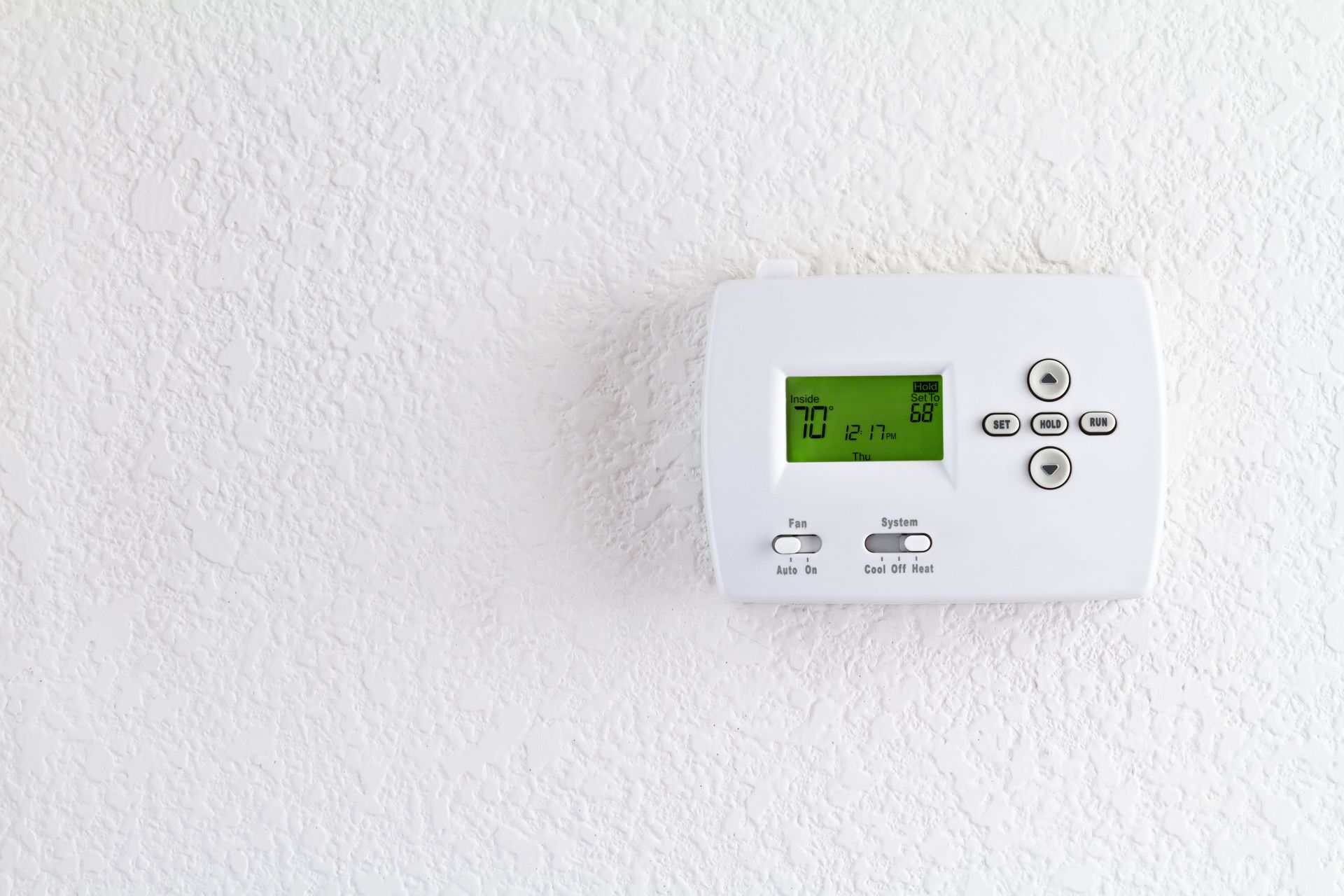
That first crisp evening of autumn arrives, and you walk over to the thermostat to nudge the heat on for the initial run of the season. Within minutes, a distinct, singed aroma begins wafting out of your floor registers and wall grilles. For many homeowners, this sudden odor triggers immediate concern, sparking worries about electrical fires, cracked heating elements, or expensive mechanical breakdowns.
The good news is that this phenomenon is one of the most common service inquiries heating technicians receive every autumn. In the vast majority of cases, that unmistakable scent is completely harmless and represents a routine consequence of your system sitting idle through the warmer months. However, differentiating between a standard seasonal startup and a developing safety hazard is crucial for protecting your household.
Understanding the mechanics behind this initial startup scent helps you know whether you can simply open a window or whether you need prompt professional HVAC services to inspect your equipment. In this guide, we will break down why this burning smell happens, how long it should reasonably last, what warning signs indicate real danger, and how routine preventative maintenance keeps your indoor air clean and fresh.
Understanding the Common Dust-Burn Phenomenon
To understand why your furnace creates an odor when you switch it on, consider where your heating unit has spent the last five to six months. Throughout late spring and summer, your air conditioning system works hard to keep your living space cool. While the blower motor continues circulating air, the furnace's primary combustion chamber, burner assembly, and heat exchanger sit completely dormant.
During those long months of inactivity, airborne contaminants naturally settle across every exposed internal surface. Microscopic dust particles, pet dander, lint, dead skin cells, and microscopic household debris migrate through the return air ducts and collect inside the heating cabinet. When the weather turns chilly and you adjust the thermostat to call for heat, those dormant metal components heat up to hundreds of degrees within minutes.
This rapid thermal shift flash-burns the settled layer of particulate matter. The resulting scent closely resembles the smell of a clothes iron heating up, a vintage space heater warming a bedroom, or a hair dryer on its highest setting. It is essentially the physical remnants of everyday house dust being vaporized. Scheduling seasonal cleaning through certified HVAC services eliminates this collected residue before it ever gets the chance to burn off into your breathing air.
Monitoring the Duration and Intensity of the Smell
A normal startup odor is temporary and mild. When your furnace initiates its heating cycle, the thin film of dust burns away rapidly, and the scent should taper off as fresh, heated air circulates through the duct network. In most properly maintained homes, the odor dissipates entirely within one or two heating cycles.
Homeowners can easily minimize the nuisance of this initial burn-off by cracking a few windows for ventilation, running ceiling fans to encourage cross-breeze air movement, and ensuring a brand-new, clean air filter is installed prior to startup. Monitoring how long the odor lingers is the single most important diagnostic step you can take.
According to WRTV, if the burning smell doesn't dissipate after running your furnace for roughly 20 to 30 minutes, it may point to a deeper underlying malfunction. A smell that continues past this initial burn-off window is no longer just harmless surface dust incinerating; it suggests sustained friction, overheating components, or restricted airflow that requires prompt intervention from licensed HVAC services before permanent equipment damage occurs.
Identifying Dangerous Smells Beyond Settled Dust
While burning dust is benign, your furnace can generate several other odors that serve as red-flag warnings of genuine mechanical or electrical emergencies. Knowing how to distinguish these distinct smells ensures you take the right protective measures without delay:
- Electrical, Wiring, or Singed Plastic Odor: If your vents smell like melting wire insulation or hot plastic, you are likely dealing with an overheating blower motor, damaged wiring harness, or failing capacitor. When mechanical bearings seize up, the motor pulls excessive electrical current, generating dangerous levels of heat that melt wire jackets. These conditions create severe fire hazards that necessitate immediate diagnostics from qualified HVAC services.
- Rotten Eggs or Sulfur Odor: Utility companies inject a pungent chemical called mercaptan into natural gas so leaks can be detected instantly. If you smell rotten eggs, sulfur, or decaying vegetation, do not attempt to troubleshoot the unit. Do not flip light switches or use landlines. Evacuate your entire household immediately and dial 911 or your local gas utility provider from a safe outdoor distance.
- Metallic, Chemical, or Acrid Smells: A sharp, ozone-like, or distinctly metallic scent often indicates that internal metal parts are warping, rubbing together under stress, or suffering from a cracked heat exchanger. A fractured heat exchanger compromises the seal between combustion gases and your breathable air, elevating the risk of lethal carbon monoxide infiltration.
Checking Your Air Filters and System Components
A primary contributor to intense burning smells and system overheating is poor airflow management. Your furnace requires a continuous, unimpeded volume of air moving across the heat exchanger to keep temperatures within safe operating thresholds. When air movement is restricted, the internal cabinet temperature climbs rapidly, baking internal surfaces and pushing safety limit switches to their breaking point.
Begin your seasonal startup by pulling your furnace air filter out of its slot. A filter clogged with thick pet hair, drywall dust, or summer debris forces the blower motor to strain, which generates excess friction heat while simultaneously starving the burner assembly of cool intake air. Upgrading to a clean, correctly rated MERV filter resolves minor airflow bottlenecks immediately.
Next, walk through every room of your home and inspect your floor and wall supply registers. Over the summer, furniture, heavy rugs, drapes, or clutter may have been shifted directly over vent covers. Additionally, check return grilles to ensure curious children or pets haven't dropped toys, crayons, or plastic items into the ductwork, where they will melt once warm air arrives. Comprehensive filter inspections, register airflow balancing, and duct diagnostics are central components of thorough HVAC services.
Knowing When to Call an Emergency Technician
Being able to identify when a burning smell has crossed the line from a mild nuisance to an active mechanical emergency protects both your property and your family's health. Keep a clear diagnostic checklist in mind during that initial autumn activation:
- Persistent Odor: Has the burning smell lasted longer than 30 minutes or continued into secondary heating cycles?
- Audible Grinding or Squealing: Is the furnace emitting harsh metal-on-metal noises, loud banging, or screeching sounds alongside the smell?
- Alarm Activations: Have your smoke alarms or carbon monoxide detectors sounded after turning on the furnace?
- Visible Smoke or Soot: Can you see visible smoke, haze, or black soot marks forming around the furnace cabinet or coming through room registers?
If you answer "yes" to any of these questions, switch your thermostat to the "Off" position immediately. Locate the furnace power switch—often a simple toggle switch near the unit resembling a light switch—and flip it off, or shut down the dedicated breaker at your electrical panel. For suspected gas odors, turn off the yellow gas shutoff valve along the supply pipe. Once the system is secured, reach out for round-the-clock emergency assistance from trusted HVAC services.
Experiencing a burning smell the first time your furnace activates in autumn is nearly always a simple case of settled summer dust meeting high-temperature heat exchangers. However, taking the smell for granted can be risky if underlying issues like worn motor bearings, electrical shorts, or airflow blockages are the true culprit. Maintaining a watchful eye during that initial 30-minute burn-off window ensures you catch potential hazards before they escalate. Consistent care and timely
HVAC services keep your equipment running smoothly, safely, and cleanly throughout the freezing months ahead.
Is your furnace producing an unexpected odor, or are you preparing your heating system for the approaching winter freeze? The licensed technicians at Arctic Air Heating, Air Conditioning & Plumbing provide thorough multi-point furnace tune-ups, expert safety inspections, and dependable heating repairs to keep your family comfortable. Contact Arctic Air Heating, Air Conditioning & Plumbing today to book your seasonal inspection and enjoy complete peace of mind all winter long.